
Written by Jason Kenner
Unique Benefits of Learning Outside of the Classroom That Might Surprise You
Sometimes the best lessons in life just cannot be taught within the confines of four walls. Instead, there are certain practical lessons that can best be learned by observing the sights and sounds around us. For students struggling to grasp a certain concept, learning outdoors can provide the ideal opportunity to witness firsthand how science or biology works, for example. Besides this, there are other benefits of learning outside the classroom. The Thematic Teacher discusses why you should give it a go if you haven’t already.
Visit the library
There’s something about visiting a library that makes you want to pick up a book and learn about all sorts of topics. While more and more students are becoming accustomed to learning digitally these days, visiting a library is a great way to broaden their knowledge as they familiarize themselves with the age-old tradition of reading and exploring books from long ago to the most recent.
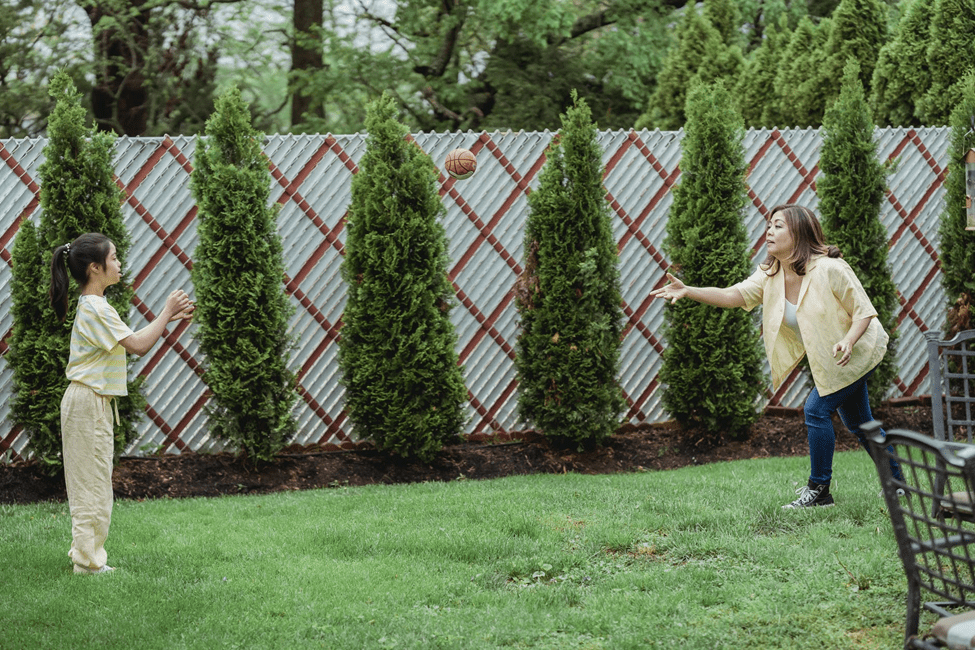
Step into your backyard
You don’t have to travel far to immerse your children in nature. In fact, a quick trip to your backyard can provide the lesson you’re looking for in the day. For example, if your child is struggling with geography and needs a quick (practical) lesson on how the sun rises and sets, you can illustrate this principle by observing the sky at different intervals during the day. As another example, say your child is struggling to understand soil formation and the importance thereof, your backyard can be the source of knowledge your kid needs to understand the principles behind this theory better.
Explore the creative arts and music
Extracurricular activities such as music and the creative arts are no longer just seen as a good hobby to pass the time with. In fact, according to studies, music has been known to revive parts of the brain responsible for comprehending math, reading, and memory. Art, on the other hand, has enormous benefits for children who struggle to concentrate as it improves their focus, enhances their problem-solving skills, and ignites their creativity while training their brain to think outside of the box.
Science and chemistry experiments
Of all the subjects that many children have trouble grasping, science and chemistry would rank way up there. Furthermore, experimenting with different formulas to see what the outcome is where the real excitement lies as far as science and chemistry go. And what better way to introduce complex formulae and equations than by giving practical demonstrations of how these work? It is certain to be a memorable experience that your child is unlikely to forget any time soon.
Fun and games
Encouraging students to participate in educational games is another way to make the learning experience more fun and interactive. Solving puzzles or challenges practically allows kids to test out their problem-solving and critical thinking skills, which can actually end up making them better students at the end of the day.
Learning opportunities for parents
As parents, we should endeavor to lead by example. Therefore, we should take it upon ourselves to try and figure out ways in which we can influence our children’s learning experiences for the better. Perhaps this might involve taking on additional classes in education ourselves to improve on the ways in which we understand and encourage our children on their learning journeys. This could, in fact, end up being the motivating factor they need to advance their abilities to learn and grow even more.
In conclusion, all children learn differently. Therefore, it is up to us as parents to learn how to facilitate their growth as much as we can. This includes exploring all avenues, both inside and outside of the classroom, to identify the resources that will suit our children’s learning requirements the best.
Image via Pexels



 Thematic Teacher